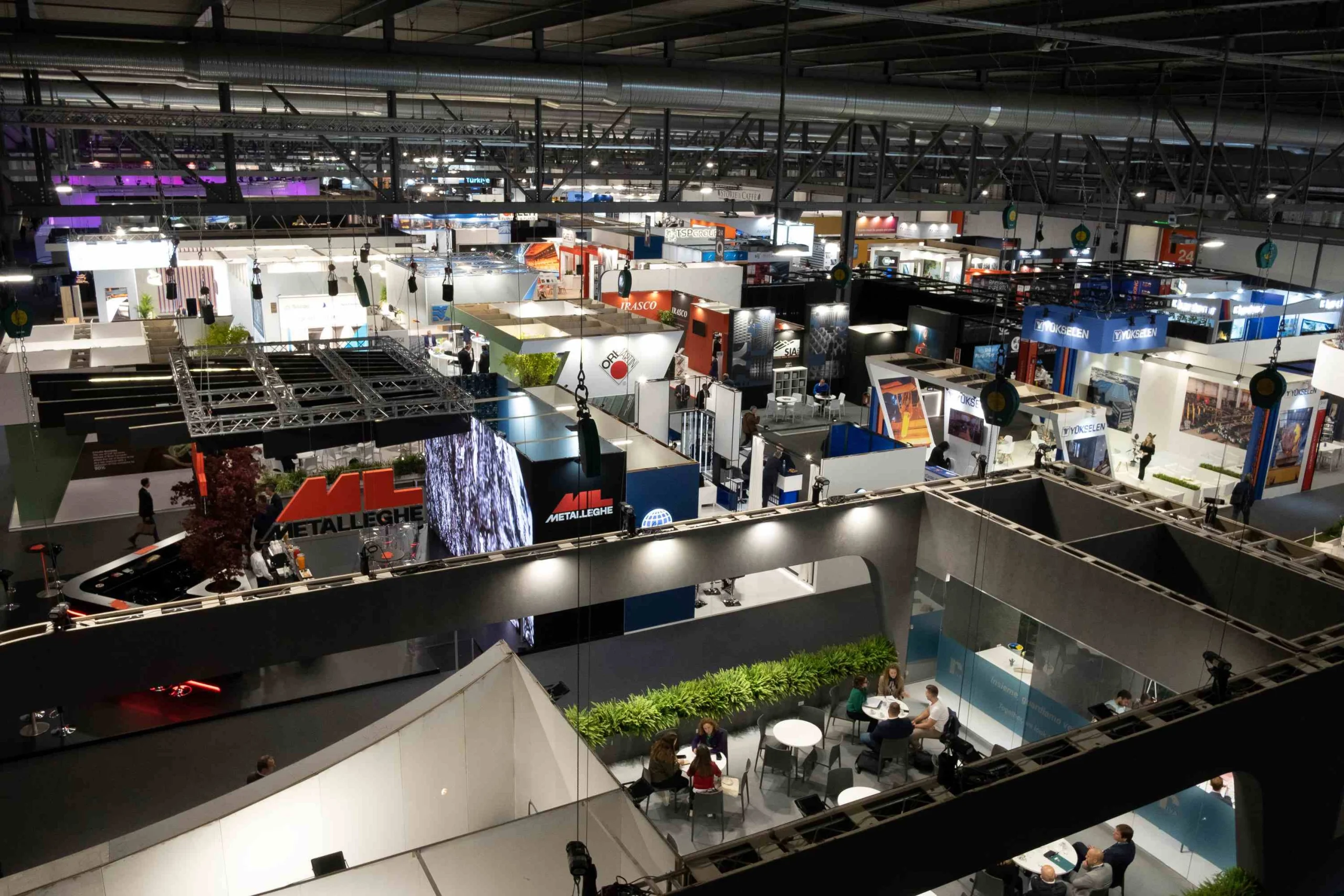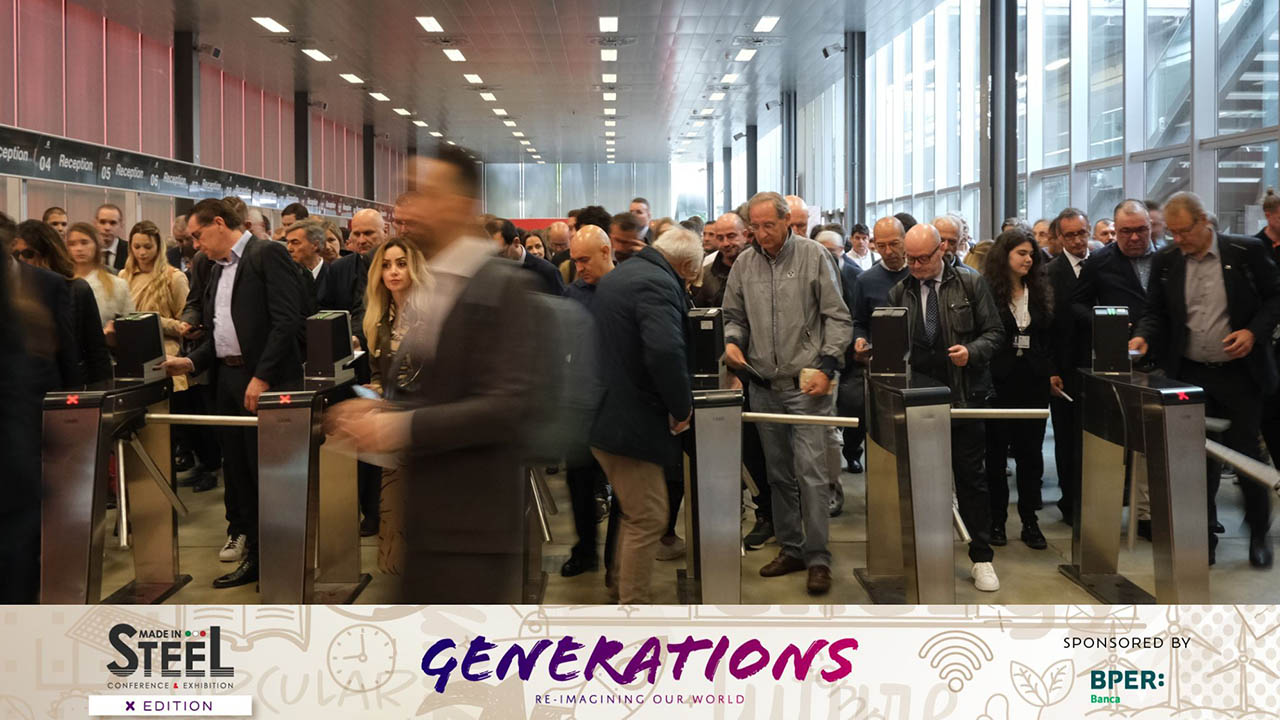
“The fire must be passed on, not the worship of ashes.” This is the opening quote of Made in Steel 2023, the international Conference & Exhibition dedicated to the steel supply chain, which has just concluded, leaving a clear vision of the future of the steel industry. Sustainability, innovation, and the essential role of steel in the ecological transition were the central themes of the event.
Purchasing, processing, and distributing steel are the pillars of the value creation process in the steel supply chain, which today is questioning how to face the challenges of the present and the future within a new geopolitical and macroeconomic framework.
We are at a moment of profound transformation, where our task is to leave a significant mark on the history of steel. Present in every aspect of our lives, steel is the beating heart of the circular economy, a pioneer of digitalization, and a silent protagonist of decarbonization and sustainable development as a material that is already fully sustainable. In the coming years, it will continue to be the cornerstone of Italy and Europe in the manufacturing sector. Steel is indispensable for the ecological transition.
In particular, the Italian steel industry has long embraced values of sustainability, inclusion, efficiency, flexibility, and adaptation, and has stood out as the most decarbonized in Europe: an important achievement that puts us in pole position for the challenges we must face, but like all records, it must be defended. It is essential to protect and strengthen the Italian steel industry, the third-largest manufacturing sector contributing to the national GDP, crucial for the economic growth of both Italy and Europe. In this context, the role of the European Union becomes crucial in supporting and promoting businesses in the sector in an ever-evolving scenario.
The goal is to make the EU the first climate-neutral market. Carboni Steel closely follows commercial proposals to define its mission, thus contributing to the achievement of sustainability goals. However, European institutions must make the energy transition a growth opportunity that is also economically sustainable for businesses: environmental sustainability must be combined with economic sustainability. Only with a pragmatic and multilateral shift can efficiency be integrated with environmental protection: while many foreign companies are not engaged in the green transition, Italian and European businesses have invested significantly in research and innovation in this area. To support them, it is crucial to strengthen the production capacity of key technologies and adopt structural solutions in strategic sectors such as steel.
A strong industrial policy thus becomes essential to ensure the success of decarbonization. Energy-intensive sectors are at the forefront of the decarbonization challenge but face narrower margins and complex issues, such as dumping, which makes the integration of industrial policy and trade even more necessary to ensure a sustainable balance. The distribution of steel, in fact, requires particular attention to added value and digitalization to adapt to the new market needs. As a result, greater and better synergy with the customer through the use of new technologies and responsiveness to the increasingly demanding sustainability requirements is essential.
The new frontier of steel is green digital steel, which will transform the steel industry into a more sustainable sector by reducing its environmental impact without compromising the performance of the supply chain. However, in light of these considerations, one question arises spontaneously: Will the EU be able to turn its good intentions into action and pave the way for the ecological transition for our businesses?